by Charlize Wang and Young Min
Hands outstretched, we extend our cards toward a screen that displays a $9 total for a single matcha drink. As we wait for the barista to announce our names, we nervously anticipate the taste of the pricey drink that awaits us. Will it be bitter to the point where it's inedible? Or will it leave a desired smooth but not overly sweet after taste? As matcha connoisseurs ourselves, we have tried a plethora of cafes that boast their unique spins on matcha drinks. Despite providing diverse options, some cafes neglect the quality of their matcha powder, misleading customers in the process.
By using higher quality powder to make matcha at home, you can avoid the disappointment that comes with buying overpriced yet poor-tasting drinks. Making matcha at home also offers the flexibility of adding unique spins on the drink — from strawberry matcha lattes to matcha einspanners (a matcha base topped with a thick layer of whipped cream), the possibilities are endless.
This step-by-step guide serves as a starting point for matcha-lovers that are tired of the hit-or-miss nature of cafe matcha.
Materials
PREPARATION
1. Sift Matcha
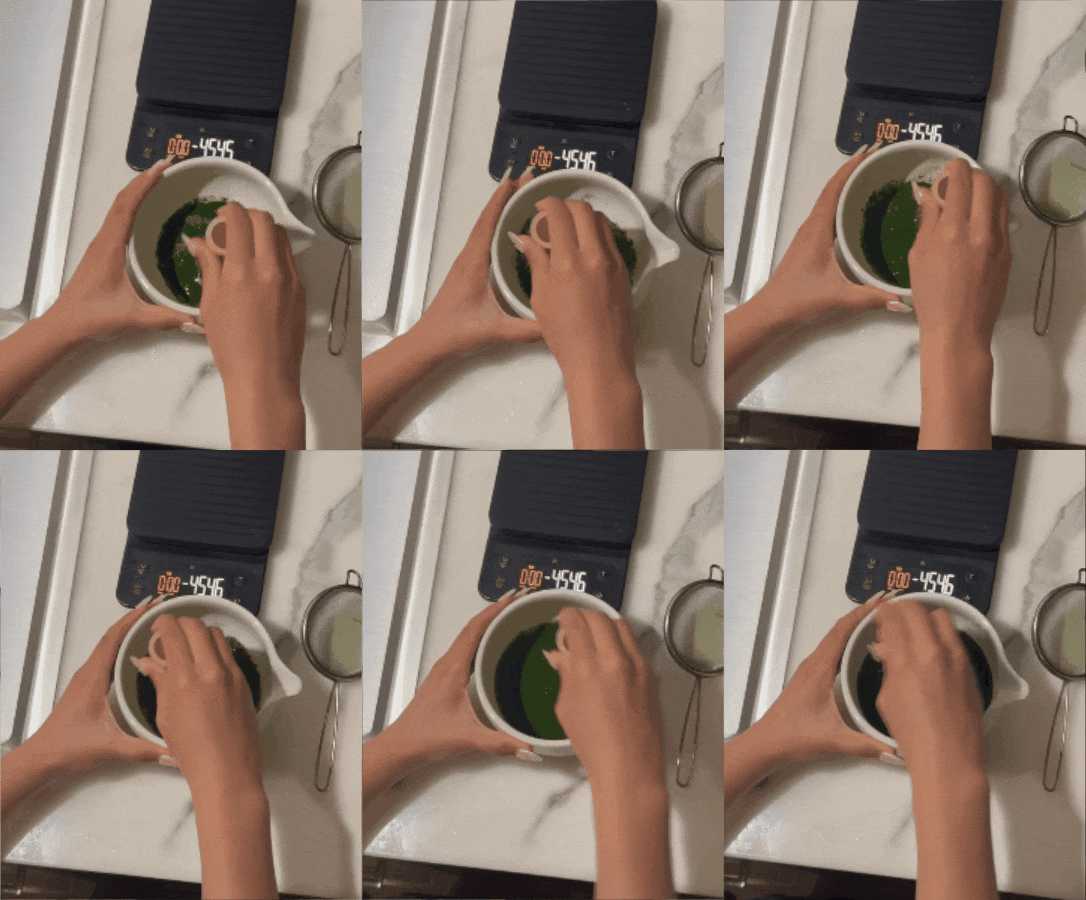
First, bloom your whisk by soaking it in hot water for at least 1-2 minutes to soften the bristles. In the meantime, use your temperature-control kettle to boil water at 167 degrees fahrenheit. Next, place the chawan and sifter onto your barista gram scale. The scale must be barista-grade to measure the ratios accurately, as we will be working with very small weights. Zero the scale, then scoop 4g of matcha powder onto the matcha sifter.
2. Whisk Matcha
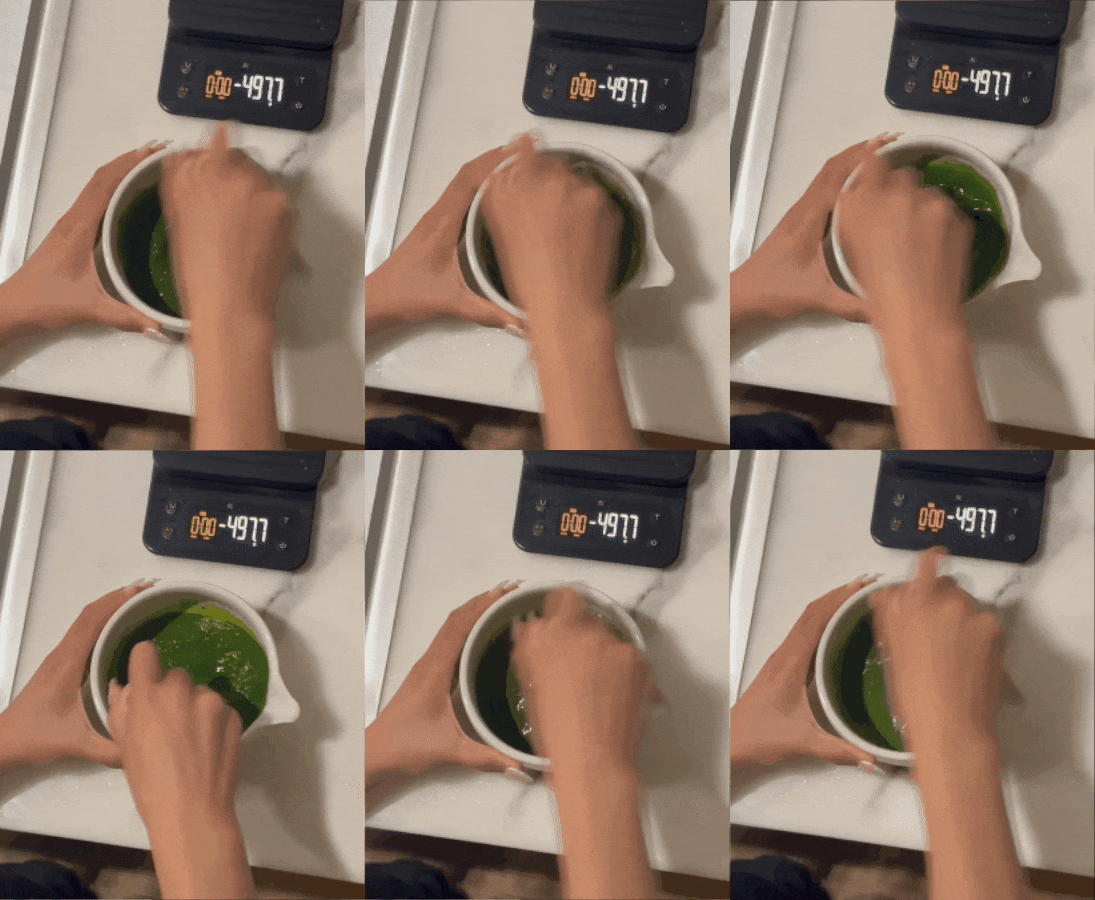
Once you scoop out 4g of matcha, sift it through to get rid of any clumps in the matcha powder. This step ensures that no clumps will remain after you whisk your matcha. Then, pour in 20g of the 167 degree Fahrenheit water. Whisk the matcha into a paste by first stamping the powder into the water and then fully mixing the two using circular motions. Add 25g more of the hot water and whisk in Z motions until smooth.
3. Add sweetener, milk and other ingredients
Once the matcha is fully whisked, add 6-9g of sweetener of choice. Popular sweetener choices include agave syrup and maple syrup (agave syrup is my personal favorite). Mix the sweetener in with a separate spoon, as using your bamboo whisk for this step could damage the bristles. Grab your cup, fill ¾ of it with ice and add 125g of milk of choice. Common milk types used for matcha are whole milk, oat milk, almond milk and pistachio milk. Slowly pour the whisked matcha over the milk to maintain the layers.
4. Mix and enjoy your drink
Tips: For the matcha chawan, it is best to find one with a spout to easily pour your matcha into your milk. Amazon offers a convenient way to purchase the basic tools needed for matcha by offering matcha-whisking kits, most of which come with a chawan, bamboo whisk, sifter and matcha scoop.
Ensure that your scale is a barista-grade scale so it can accurately measure the correct ratios. Also, purchase a temperature-controlled kettle to prevent the water from getting too hot, as you are not supposed to use boiling water for your matcha.